
Direct Drive vs Wheel-On Bike Trainer: Which One Should You Get?
Both get you riding indoors, but they work very differently. How direct drive and wheel-on trainers compare on accuracy, noise, feel and compatibility, and how to choose.
Read More »A smart bike is a complete indoor bike with built-in resistance, power measurement and app control. How it differs from a smart trainer, what to check before buying and who it suits.
November 23, 2026 · 4 min read
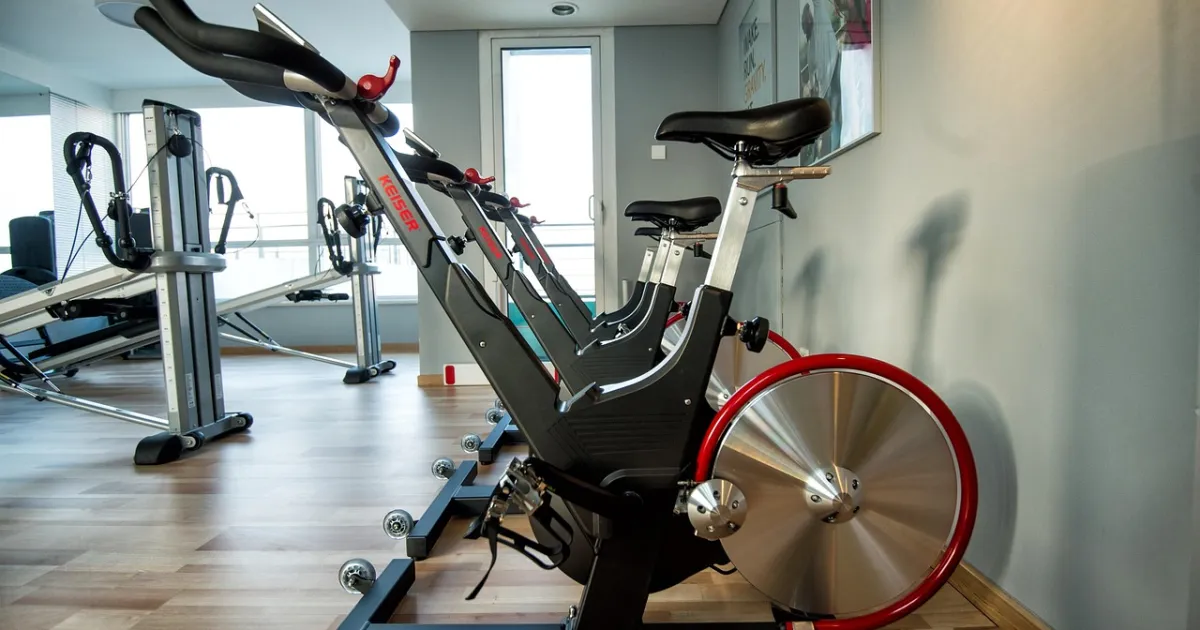
A smart bike is a complete stationary bike built for training: frame, saddle, bars, cranks and a resistance unit in one machine that measures your power and lets an app control how hard it pushes back. It does the same job as a smart trainer, but you never mount your own bike. This guide explains how smart bikes differ from smart trainers and from fitness-style smart exercise bikes, and what to check on any model. We do not rank products or quote prices; specs and app support change often, so always confirm them with the manufacturer.
| Smart trainer | Smart bike | Smart exercise bike | |
|---|---|---|---|
| What it is | A unit your own bike mounts on | A complete training bike with adjustable fit | A fitness bike, often with a built-in screen and classes |
| Main use | Structured workouts and virtual rides | Same, without swapping bikes | Classes and general fitness |
| App support | Usually open: most training apps | Usually open, check the list | Often tied to the maker's own app |
| Fit | Your real bike position | Adjustable to copy your road position | Basic adjustment |
| Space | Can be packed away | Permanent, heavy | Permanent |
For a full comparison of trainer types, see smart trainers explained and our detailed look at direct drive vs wheel-on trainers.
For a rider who already owns a road bike and has limited space or budget, a direct-drive smart trainer usually gives the same training for less. A smart bike makes most sense when the indoor setup is permanent, when several people share it, or when you want to remove all setup friction so you ride more often. A fitness-style smart exercise bike suits people who mainly want classes and general fitness rather than power-based workouts; check carefully whether it can be used with other apps before buying if structured training matters to you.
A smart trainer needs your own bike mounted on it; a smart bike is a complete stationary bike with the resistance and power measurement built in.
Most cycling-focused smart bikes support standard protocols used by these apps. Check the manufacturer's compatibility list before buying. Our guide to adding custom workouts to Zwift works the same with a smart bike.
Some are, if they support ERG mode and open protocols. Others are designed around one app's classes, so check first.
Most training-focused smart bikes publish an accuracy figure. Look for consistent readings and the ability to calibrate or update firmware.
Both get you riding indoors, but they work very differently. How direct drive and wheel-on trainers compare on accuracy, noise, feel and compatibility, and how to choose.
Read More »What makes a trainer "smart", how wheel-on, direct-drive and smart bikes differ, what ERG mode does and which specs actually matter when you choose one.
Read More »TrainingPeaks can import structured workouts as .zwo files. Here is how to add them to your Workout Library, put them on your calendar and get them onto your trainer.
Read More »