Bike Trainer Setup: How to Build a Good Indoor Cycling Space
A good indoor setup makes you ride more. How to mount and level your bike, connect apps, calibrate, keep cool and quiet, protect the bike and floor, and twelve tips for …
Read More »Cadence is how fast you turn the pedals. What counts as a good cadence, why the ideal number is personal, how to train high and low cadence and how cadence sensors work.
November 16, 2026 · 4 min read
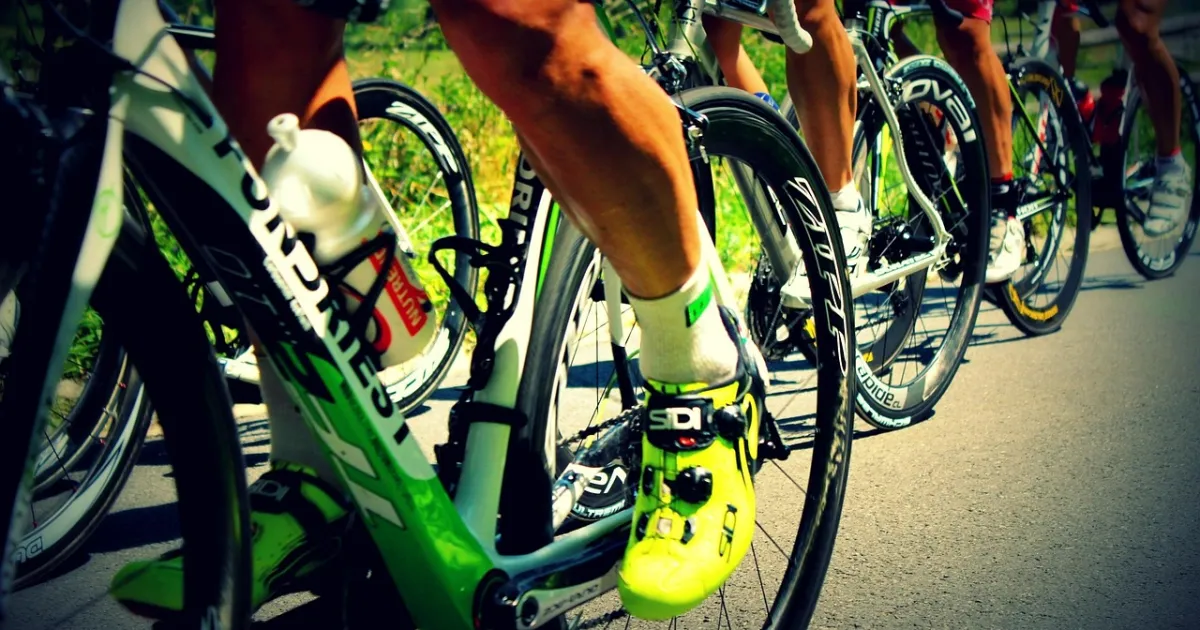
Cycling cadence is the rate at which you turn the pedals, measured in revolutions per minute (rpm). Ninety rpm means each crank arm completes 90 full circles in a minute. Together with the force you put through the pedals, cadence decides your power: the same 200 watts can come from pushing hard at a low cadence or pushing lightly at a high one. This guide covers what a good cadence is, why there is no single ideal number and how to train cadence on the trainer.
Cadence is separate from speed. On a bike with gears, you can ride at 90 rpm in an easy gear and go slowly, or at 90 rpm in a hard gear and go fast. Shifting lets you keep your preferred cadence as the terrain changes. Fast pedalling in easy gears is often called "spinning", slow pedalling in hard gears "mashing" or "grinding".
There is no single best cadence, but research and coaching practice give useful reference points:
Your ideal cadence is the one at which you can produce the power you need comfortably and sustainably, and it varies with the effort, terrain and the rider. Most riders settle into a fairly narrow preferred range without thinking about it.
| Situation | Typical cadence | Notes |
|---|---|---|
| Recovery and easy rides | 85–95 rpm | Light pressure, smooth stroke |
| Zone 2 endurance | 80–95 rpm | Your natural cadence is fine |
| Tempo and sweet spot | 80–95 rpm | Try some blocks lower for muscular endurance |
| Threshold intervals | 85–100 rpm | Many riders go slightly higher as fatigue builds |
| VO2 max intervals | 95–105 rpm | Higher cadence spares the legs |
| Long seated climbs | 70–85 rpm | Depends on gearing and gradient |
| Sprints | 100–120+ rpm | Peak power at high cadence |
These are practical ranges, not rules. If you feel smooth and strong at 82 rpm in a threshold set, there is no need to force 95.
At low cadence each pedal stroke needs more force, which loads the muscles and joints more. At higher cadence the force per stroke drops and more of the work shifts to your heart and lungs. Well-trained riders tend to handle higher cadences comfortably; newer riders often find very high cadences tiring and inefficient at first. A 2021 systematic review on cadence and neuromuscular function suggested that newer riders start from a cadence that feels natural and build fitness before chasing higher numbers.
In ERG mode the trainer holds the target power. If your cadence drops, resistance rises to keep the watts constant, which can make you bog down at the end of a hard interval. The fix is to keep cadence up, shift to an easier gear before intervals start, or pause ERG briefly to spin back up. Our smart trainer guide explains ERG and the other modes.
To see cadence you need a source of the data:
When choosing a sensor, check that it transmits over the protocols your devices use (ANT+, Bluetooth or both), whether it can connect to more than one device at once, battery type and how it mounts on your crank.
Whatever feels smooth and sustainable, often 70–90 rpm. Build fitness first, then try gradually raising cadence if you like.
It is a common reference point, but the ideal is individual and changes with effort and terrain.
Very low cadence at high force puts more load on the knees. Short, controlled low-cadence work is common in training, but stop if it hurts.
Often not: many smart trainers report cadence themselves. Check whether yours does before buying a separate sensor.
A good indoor setup makes you ride more. How to mount and level your bike, connect apps, calibrate, keep cool and quiet, protect the bike and floor, and twelve tips for …
Read More »Yes, indoor cycling is an excellent cardio workout: efficient, measurable and gentle on joints. What it does well, what it misses, how much is enough and how to get more…
Read More »Short on time? High-intensity intervals on a trainer pack serious fitness into under 45 minutes. Four HIIT sessions with targets, how often to do them and how to recover.
Read More »